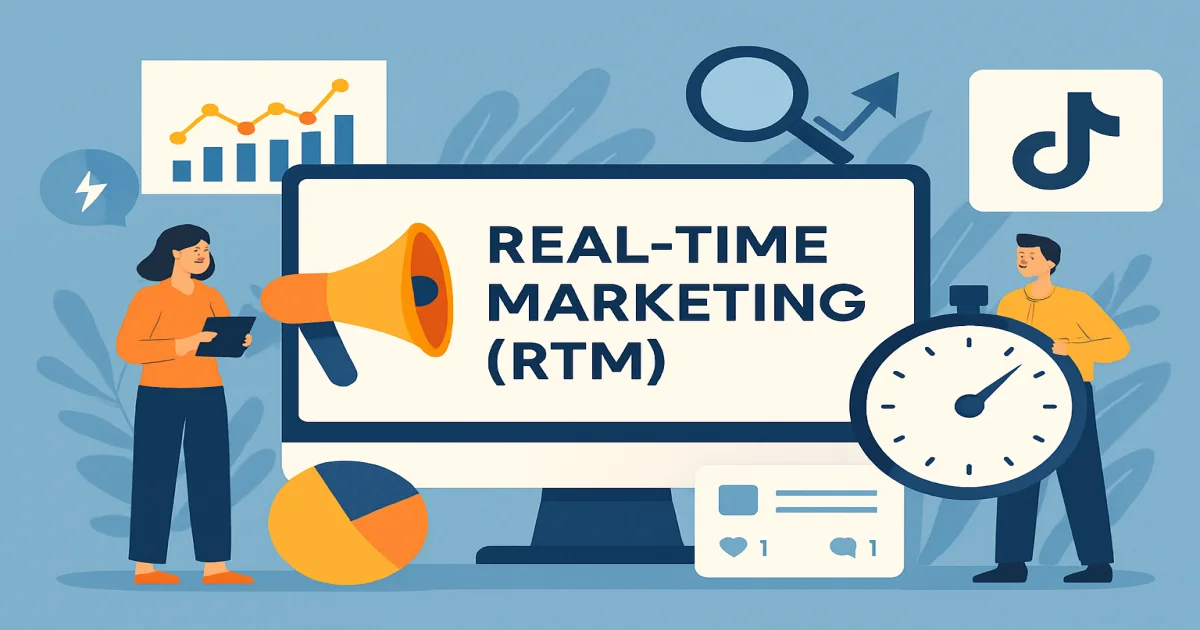
Discover the essentials of Real-Time Marketing (RTM), including strategies, examples, and common pitfalls.
Real-Time Marketing (RTM) is a marketing strategy that focuses on responding to current events and trends in real-time. It allows brands to engage with their audience at the moment, creating timely and relevant content that resonates. This approach is crucial in today's fast-paced digital landscape where consumer attention is fleeting.
Speed is the core of an effective RTM strategy. Brands need to act quickly to capitalize on trending topics or events. This requires a streamlined decision-making process and access to the right tools and data.
Aligning the real-time content with the brand's voice and values is essential. The connection should feel natural and authentic to avoid appearing opportunistic or forced.
Monitoring social media platforms is key to identifying trends. Tools like Google Trends, Twitter hashtags, and social listening software can help brands stay ahead and participate in conversations that matter to their audience.
Successful RTM examples include Oreo's 'Dunk in the Dark' tweet during the Super Bowl blackout and local campaigns that resonate with cultural events in Azerbaijan. These instances highlight the power of timely, relevant engagement.
Common mistakes in RTM campaigns include being off-brand, acting without a clear strategy, and failing to understand the context of a trend. Brands must ensure their responses are thoughtful and add value to the conversation.
Real-Time Marketing (RTM) is a dynamic approach that involves responding to events as they happen. This strategy is vital for maintaining relevance and engaging with audiences effectively.