Learn the key differences between SEO and GEO, and how to optimize for traditional and AI-powered search engines.
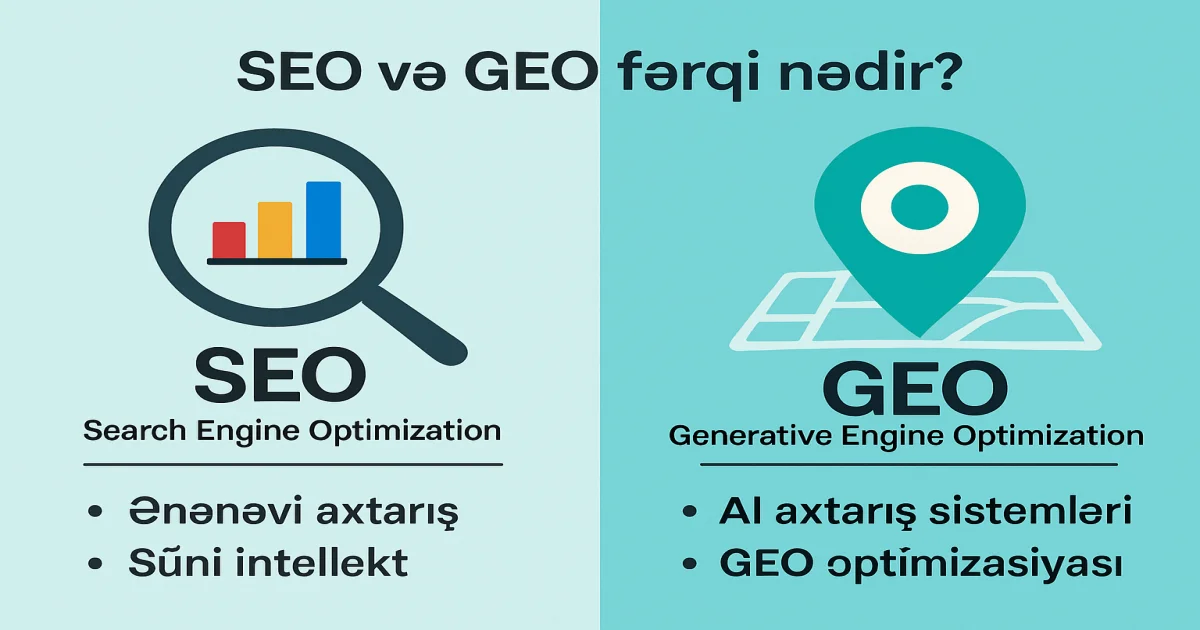
SEO, or Search Engine Optimization, is the process of enhancing a website's visibility in traditional search engines like Google. It involves optimizing content, improving site speed, and acquiring backlinks to rank higher in search results.
GEO, or Generative Engine Optimization, is a newer concept focusing on optimizing content for AI-powered search engines and digital assistants. GEO emphasizes natural language processing, context understanding, and AI-specific algorithms to ensure content is easily accessible and interpretable by AI systems.
The primary difference between SEO and GEO lies in their optimization targets. While SEO targets conventional search engines, GEO aims at AI-driven platforms. Understanding this can help businesses tailor their content strategies effectively.
With the rise of AI technologies, GEO optimization has become crucial for brands looking to maintain visibility across new search paradigms. Ensuring your site is AI-ready involves adopting strategies that cater to both human and AI search systems.
While SEO remains vital for current search engines, integrating GEO strategies can provide a comprehensive approach, ensuring content is optimized for both traditional and AI searches. This synergy can enhance overall online presence and engagement.
Explore the key differences between SEO and GEO, and learn how each strategy optimizes for traditional and AI search engines.